English cohort
Teaching and work in English.
Science Communication Fellowship · 2026
Learn to turn scientific evidence into clear videos and conversations.
A science communication fellowship for people studying or working in medicine and the life sciences.
Remote · 4 hours a week · 3 months of training · No participation fee
Teaching and work in English.
Teaching in English. Science communication in Italian.
Make your first practice video during the first two weeks. Refine it with scientific and editorial feedback. Publish reviewed work with production support.
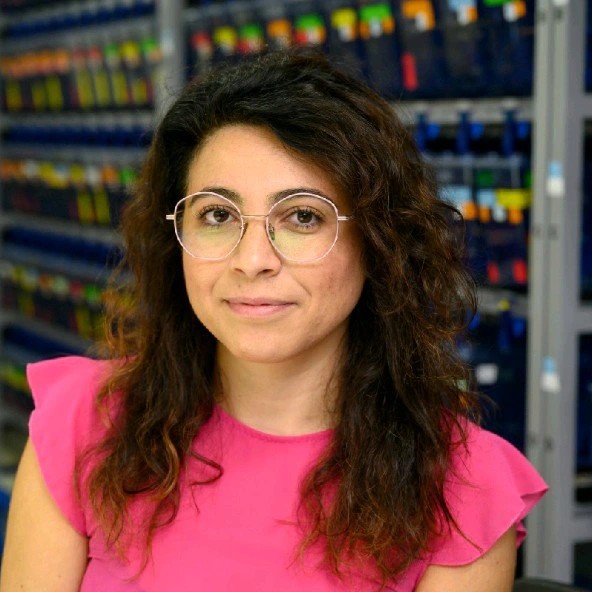
Italian cohort lead
Vascular Biotechnologist trained at the University of Naples Federico II and the Weizmann Institute of Science. Leads the Italian cohort and guiding fellows’ science communication projects.
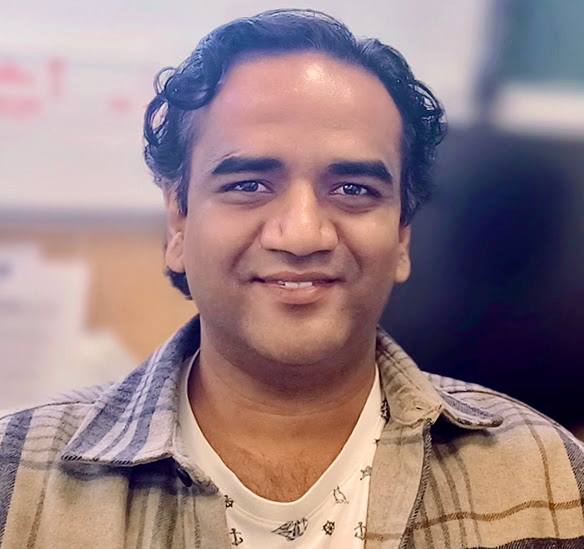
Teaching and scientific direction
Aging biologist and director of The Immune-Aging Project. His teaching brings together scientific reasoning, careful use of evidence, and the craft of communicating science.
The work
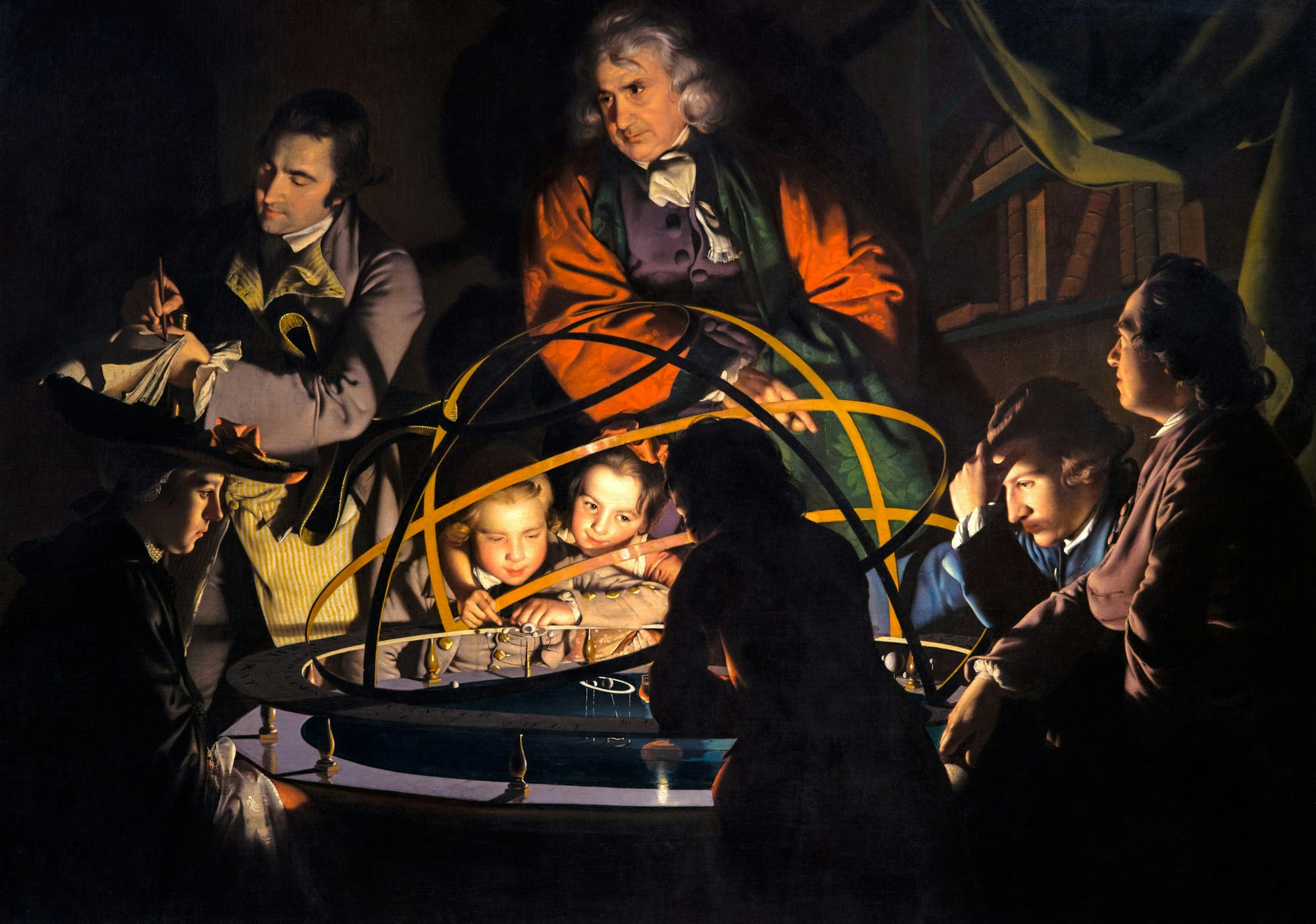
The act of finding is worth sharing. Your task is to decide what to show, which evidence supports an idea, and what remains uncertain.
Start with a paper, a figure or a question. Identify the central claim, the evidence, and what an audience needs to understand to follow it.
Make a first practice video during the first two weeks. Receive scientific and editorial feedback, explore different forms, and develop your own voice.
Prepare videos and recorded conversations with researchers for Burstcast in Italian. Work is reviewed before publication. Examine audience responses and use what you learn to improve the next project.
Respond in Italian or English. Up to 200 words in total, or one video of up to 2 minutes. No CV required.
Italian cohort: teaching in English, discussion in English and Italian, and work for Italian-speaking audiences.
Tell us about a scientific idea you used to see one way, but see differently now. What changed your view?
Think of an experiment, figure, or scientific idea that has stayed with you. What would you want another person to see in it?
What frustrates you about how science is currently communicated, and what would you do differently?
We assess scientific reasoning, attention to evidence, curiosity about the audience, and willingness to learn. Shortlisted applicants will be invited to interview between 9 and 13 November. Decisions by 16 November.
Selected track: bilingual Italian cohort
Applications for these cohorts have closed.
Start your application
Enter your email to start. We will send you a private link so you can return to your application.
Selected track: bilingual Italian cohort
Share the call
Know someone who should see this fellowship? Send them the call.
Future opportunities
Hear about future How We Know fellowships and selected opportunities from The Immune-Aging Project.
Science Communication Fellowship
Selected track: bilingual Italian cohort
Thank you. A confirmation has been sent to your email. Shortlisted applicants will be invited to interview.
The programme is remote. During the first three months, plan for 4 hours a week in total: a 2-hour group session and 2 hours for reading, practice and feedback. The monthly one-to-one conversation is included in this time. Exercises are short and guided, with starting materials provided by the team. Session days and times will be confirmed before you accept a place.
You can continue for up to three further months to complete and publish the work. This phase focuses on production and does not use the same weekly teaching schedule as the initial period.
Selected fellows receive science communication training, individual mentoring, scientific and editorial feedback, and support to develop videos and conversations with researchers. There is no participation fee. The fellowship does not provide a stipend. Published work credits the Fellows’ contributions.