Alain Fischer on gene therapy and immune restoration
Watch the full Burstcast on gene therapy for inherited immune deficiencies, with Alain Fischer, Amit Agrawal, and Julia Majewska.
We work on shared challenges in the science of immunity and aging. Our ambition is longer, healthier lives for more people.
The Immune-Aging Project is a global non-profit focused on shared challenges that influence progress in immune-aging field.
Laboratories, clinicians, companies, funders, and non-profits all contribute to the advancement of immune-aging science. Many challenges that shape progress are shared across organizations rather than confined to any single one.
These include how knowledge is shared, how evidence is interpreted, and how findings remain meaningful as the field evolves.
Our work is organized through two programs:
Building the foundations for immune-aging evidence to remain meaningful across time and populations.

Watch the full Burstcast on gene therapy for inherited immune deficiencies, with Alain Fischer, Amit Agrawal, and Julia Majewska.
Three months of guided practice in science communication, starting 30 November 2026.
Explore the English cohortA new cohort for fellows creating science communication in Italian, with teaching in English.
Explore the Italian cohortA fellow from our first cohort, Pina will help guide the next group’s science communication projects.
Meet the cohort leadShort films from Burstcast
Recent excerpts from the conversations.
Full Burstcast · Released
Alain Fischer on gene therapy and immune restorationThe full conversation on gene therapy for inherited immune deficiencies.
How We Know · Fellow’s film
Can what we eat affect the aging brain?Ana Livia Svenvold Mc Phee explores research in rats on food, gut microbes, and inflammation in the aging brain.
How We Know · Fellow’s film
Could gut microbes influence immune cells in the brain?Livia looks at a study in mice exploring how changes to gut microbes affect the brain’s immune cells and memory.
How We Know · Fellow’s film
What does the lymphatic system do?Giuseppina Lambiase introduces the network that drains fluid, supports immune responses, and helps the body absorb fats.
Research spotlight
How does a major vein form in zebrafish?The study traces how cells lining existing veins build the inferior vena cava. First author: Giuseppina Lambiase. Published in Science Advances.
Full Burstcast · Released
Joan Mannick on mTOR and the aging immune systemThe full conversation on clinical research into improving immune function as we age.
Full Burstcast · Released
Rafi Ahmed on immune memory and T cell exhaustionThe full conversation on how immune memory lasts and why some T cells lose function.
Programme launch
Our first Science Communication FellowshipThe fellowship began with a first cohort developing their science communication through guided practice and public films.
People · First cohort
Meet our first Science Communication FellowsMehuli Chakraborty, Giuseppina Lambiase, Ana Livia Svenvold Mc Phee, and Ahsen Gülşah Yaradılmış joined our first cohort.
How we work · Published protocol
Let the Data Breathe: the Burstcast protocolAmit Agrawal and Julia Majewska describe a format that keeps scientific conversation connected to the evidence.
Late-life health loss often attributed to aging is not our inevitable fate. We believe that by elucidating the fundamental mechanisms of immune aging, we can translate that biology into actionable interventions and engineer a future of healthy longevity.
To achieve this, we believe in a community-driven approach. Finding the right collaborator (whether a cross-disciplinary researcher, a funder, or an industry partner) is like finding a substrate for an enzyme.
We aim to facilitate collaborative science and data sharing to help each other overcome bottlenecks in scientific work and bring fundamental science and industry work together.
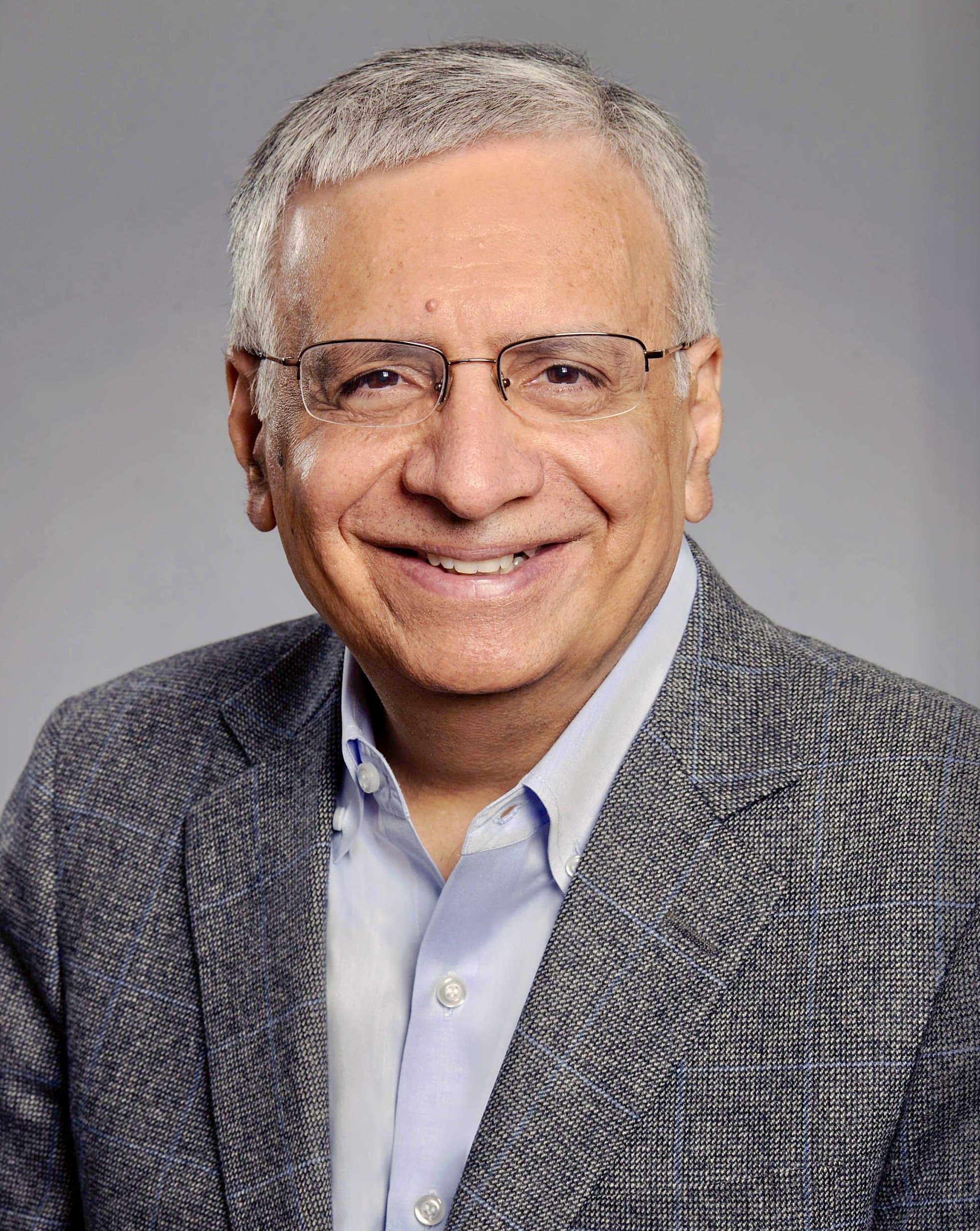
Defining T cell exhaustion and the stem-like subsets that sustain immunity in cancer and chronic infection.
Rafi Ahmed, Ph.D.
Professor, Emory University
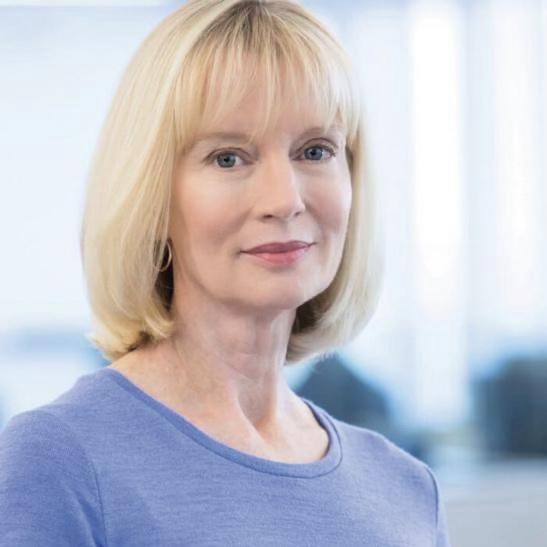
Early vaccine-response findings and the RTB101 phase 3 trial, which did not meet its primary endpoint of reducing clinically symptomatic respiratory illness.
Joan Mannick, M.D.
CMO, Altos Labs
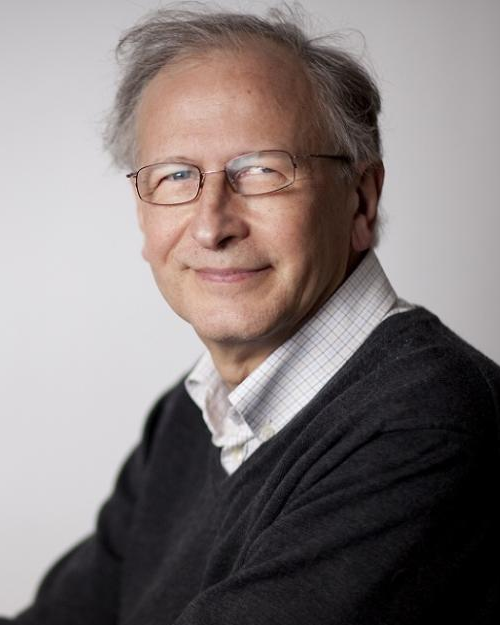
Gene therapy for X-SCID: lasting T-cell benefits, incomplete immune correction, and leukemia complications that prompted changes in vector design.
Alain Fischer, M.D., Ph.D.
Professor, Collège de France
The Immune-Aging Project is led by scientists with experience spanning aging biology, immunology, and program development.
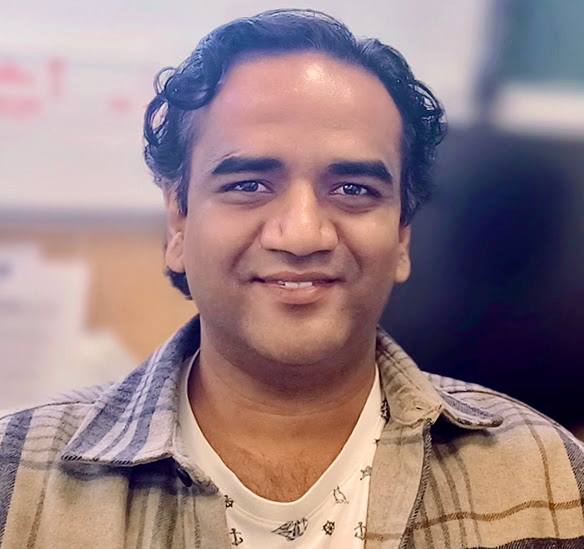
Executive Director
An aging biologist and engineer whose work combines experimental biology, quantitative analysis, and systems thinking. His research at the Weizmann Institute showed that senescent cells become harder for the body to remove with age, identified a PD-L1-based mechanism that helps them evade immune surveillance, and characterized the diversity of senescent cells that arise naturally in tissues.
Scientific Program Director
An immuno-oncologist at INSERM bridging the gap between cancer biology and aging. Her research at the Weizmann Institute of Science demonstrated that senescent cells hijack the PD-L1 checkpoint to evade clearance, establishing a direct therapeutic link between cancer immunotherapy and longevity science.
Find your part in the work.
Watch a Burstcast, explore the evidence, or receive invitations to future conversations.
Tell the story of scientific work in your own way through videos for social media, with scientific and editorial guidance.
Bring a scientific question or shared challenge that would benefit from working with others across the field.
Help build an institution that serves the wider field of immune-aging science. Contact us to discuss where you or your organization could contribute.